
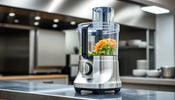
Choosing the Best Commercial Food Processor: Features, Attachments & More
Choosing the right commercial kitchen equipment can be tough, mainly when dealing with big food amounts.
At Commercial Kitchen Store Australia Pty Ltd, we're at 153 Parramatta Road, Granville NSW 2142, Australia. We know how vital the right tools are for your business. That's why we're here to help you pick the best food processing solution for you.

There are many options out there. It's important to know the key features and attachments to look for. You can reach us at 1300 111 901 or sales@commercialkitchenstore.com.au for more details.
Key Takeaways
- Understand the key features to look for in a commercial food processor
- Learn about the different types of attachments available
- Discover how to choose the best processor for your business needs
- Find out how to ensure optimal performance and efficiency
- Get tips on maintaining your commercial food processor
Understanding Commercial Food Processors
In commercial kitchens, food processors are key to boosting efficiency and productivity. They handle tasks like chopping, slicing, pureeing, and kneading. This makes them essential for many Australian food businesses.
How Commercial Food Processors Differ from Domestic Models
Commercial food processors are built for the demands of professional kitchens. They are more powerful and durable than home models. They can handle heavy tasks and run continuously.
Key differences include:
- Higher motor power for demanding tasks
- Larger capacity bowls for increased throughput
- Durable construction materials for longevity
- Additional safety features for protection during operation
Key Benefits for Australian Food Businesses
Using a commercial food processor offers many benefits for Australian food businesses. These machines boost kitchen efficiency, cut labor costs, and improve food quality.
| Benefit | Description |
|---|---|
| Increased Efficiency | Speeds up food preparation, allowing for faster service |
| Consistency | Ensures uniform results in food processing tasks |
| Versatility | Handles various tasks with interchangeable attachments |
Common Applications in Commercial Kitchens
Commercial food processors are used in many ways in commercial kitchens. They are vital for tasks like chopping veggies, kneading dough, and pureeing soups.
Common applications include:
- Preparing ingredients for cooking
- Making sauces and dips
- Kneading dough for baked goods
- Processing meat and other proteins
For businesses in Australia, our team at Commercial Kitchen Store is ready to help. We're available Mon - Fri (9AM - 5PM) for inquiries about commercial food processors.
Commercial Food Processor Buyer's Guide: Features, Attachments, and Performance
In the competitive world of commercial kitchens, the right food processor can be a game-changer. It requires careful consideration of several factors. A well-chosen commercial food processor not only enhances efficiency but also expands the culinary possibilities for your business.

Essential Features to Consider
When selecting a commercial food processor, there are several key features to look for. Variable speed control is crucial as it allows for the processing of a wide range of ingredients. This includes delicate herbs to tough meats. Another important feature is the presence of multiple bowls or containers, which enables simultaneous preparation of different dishes, enhancing kitchen efficiency.
Other essential features include ease of cleaning and durability of construction. A processor with removable, dishwasher-safe parts can significantly reduce maintenance time. A robust construction ensures longevity even under heavy use.
Performance Metrics That Matter
The performance of a commercial food processor is largely determined by its motor power and bowl capacity. A more powerful motor can handle tougher ingredients and larger quantities. This makes it ideal for high-demand kitchens. The bowl capacity, on the other hand, dictates the maximum volume of food that can be processed in a single batch.
It's also worth considering the processor's ability to perform various functions such as slicing, shredding, and pureeing. A versatile processor with multiple attachments can replace several single-function appliances. This saves space and reduces overall equipment costs.
Australian Electrical Standards Compatibility
For businesses operating in Australia, it's vital to ensure that any commercial food processor complies with local electrical standards. This includes being compatible with the country's 230-volt electrical supply and adhering to relevant safety standards.
Checking for compliance can help avoid potential electrical issues. It ensures that the equipment is safe for use in a commercial environment. It's advisable to look for processors that are certified by recognized Australian standards bodies.
Power and Capacity: Finding the Right Balance
Getting the best out of food processing needs a good look at power and capacity. The right mix of these two can really boost efficiency and productivity in commercial kitchens.
Motor Power Requirements for Different Tasks
The motor power of a commercial food processor is key to its performance. Different tasks need different power levels. For example, tough ingredients like meat or hard veggies need more power than softer ones.
When picking a commercial food processor, think about what tasks it will do. A processor with adjustable speed is more versatile. It can handle different ingredients and tasks better.
| Task | Recommended Motor Power |
|---|---|
| Chopping soft vegetables | 500-700 Watts |
| Processing meat | 1000-1500 Watts |
| Kneading dough | 1500-2000 Watts |
Bowl Capacity and Throughput Considerations
The bowl size of a commercial food processor affects how much food it can handle at once. A bigger bowl means you can process more food in one go. This is great for kitchens that make a lot of food.
But, think about how big the bowl is compared to your kitchen's space and how much food you usually make. A big bowl might not always be practical.

Continuous vs. Batch Processing Capabilities
Commercial food processors can work in two ways: continuously or in batches. Continuous processing is best for kitchens that need to keep making food without stopping. Batch processing gives you more control over how much food you make and is good for different types of ingredients.
Choosing between continuous and batch processing depends on your kitchen's needs. This includes the food you make and how much of it you produce.
Must-Have Attachments for Versatility
A commercial food processor becomes more versatile with its attachments. These attachments can turn a single appliance into a multi-functional tool. It can handle many tasks in the kitchen.
Standard Attachments and Their Functions
Standard attachments include slicing, shredding, and dicing discs. There are also whipping and beating attachments. They help with common food prep tasks like slicing veggies or whipping cream.
The ability to switch between these attachments easily lets chefs quickly change recipes. This is crucial for meeting different menu needs.
A slicing disc is great for precise cuts. Shredding discs are perfect for salads or slaws. The whipping attachment is ideal for desserts or sauces.
Specialty Attachments for Specific Culinary Needs
Commercial food processors also have specialty attachments. These are for tasks like making pasta, grinding meat, or juicing. These attachments let chefs prepare a wider range of dishes.
For example, a pasta-making attachment turns the processor into a pasta machine. It makes fresh pasta dough. A meat grinding attachment is great for making burgers or sausages.
Compatibility and Interchangeability
When choosing a food processor, think about attachment compatibility. A processor with many compatible attachments is more versatile. It can save money by reducing the need for separate appliances.
It's important to check if additional attachments are available. Some top-rated food processors for commercial kitchens have a wide range of attachments. This makes them very versatile.
Durability and Construction: What to Look For
When buying a commercial food processor, durability is key. It must work well in busy kitchens. A strong machine lasts long and keeps working well, making it a great choice for any food business.

Materials and Build Quality
The materials used in a food processor are very important. Stainless steel is good because it doesn't rust and is easy to clean. The build quality also matters a lot. It helps the machine handle frequent use better.
Key considerations include:
- The use of durable materials that can resist wear and tear.
- A robust design that minimizes the risk of mechanical failure.
- Easy-to-clean surfaces that reduce the risk of contamination.
A leading manufacturer says, "The choice of materials and the design of the food processor are critical in ensuring that it meets the demands of a commercial kitchen."
"A well-built food processor is an investment in the quality of your food and the efficiency of your operations."
Warranty and Service Support in Australia
A good warranty and reliable service support are vital. They help avoid downtime if something goes wrong. Australian businesses should look for suppliers with strong after-sales support.
| Warranty Aspect | Description | Importance |
|---|---|---|
| Duration | The length of time the warranty is valid. | High |
| Coverage | Parts and labor included in the warranty. | High |
| Service Response Time | Time taken by the service provider to respond to a service request. | High |
Expected Lifespan in Commercial Settings
The lifespan of a commercial food processor depends on how it's used, maintained, and built. A well-kept machine can last many years. This makes it a good investment for any food business.
To make it last longer, regular maintenance is crucial. This includes daily cleaning, checking parts regularly, and replacing worn-out parts quickly.
Safety Features in Modern Commercial Food Processors
Safety is key in commercial kitchens. Today's food processors have many safety features. These features are crucial because these machines can be dangerous if not used right.
Essential Safety Mechanisms
Modern commercial food processors have important safety features. These include:
- Interlocking systems that stop the machine when the lid is open or safety features are not on.
- Safety sensors that find problems and turn off the machine if needed.
- Stable and secure construction to keep the machine steady and prevent it from moving.
Food safety experts say safety features in food processing equipment are vital. They are not just for following rules but for keeping kitchens safe. (Food Safety Experts, 2022).
Compliance with Australian Safety Standards
Food processors sold in Australia must meet local safety standards. These standards are set by Standards Australia. They make sure machines are safe for users.
| Standard | Description | Relevance to Food Processors |
|---|---|---|
| AS/NZS 60335.1 | Safety of household and similar electrical appliances | General safety requirements for commercial food processors |
| AS 4742:2000 | Commercial kitchens — Food preparation and cooking equipment — Installation and commissioning | Guidelines for installing commercial kitchen equipment, including food processors |
Training Staff for Safe Operation
Even with safety features and compliant equipment, training staff is key. Employees need to know how to use the food processor safely. This includes:
- How to put the machine together and take it apart
- Using safety features correctly
- What to do when there's a safety alert or malfunction
Good training lowers accident risks and boosts kitchen efficiency. Industry leaders say training is as vital as the equipment itself. (Kitchen Safety Council, 2020).
Space Efficiency and Design Considerations
In commercial kitchens, space is very valuable. The design of equipment like food processors is key. A well-designed food processor boosts kitchen efficiency and safety.
Footprint and Storage Requirements
The size of a commercial food processor matters a lot in kitchen design. A smaller design lets kitchens fit more equipment or stations. Look for models that are compact or easy to store.
Storage is also key. Some food processors have detachable parts that can be stored separately. This reduces clutter and makes the kitchen safer. Choose models with easy-to-store parts or get storage solutions for kitchen equipment.
Ergonomics and Ease of Use
Ergonomics are crucial in food processor design. A well-designed processor reduces fatigue and boosts efficiency. Features like adjustable heights and easy-to-clean surfaces make using the processor better.
When picking a model, think about how easy it is to use. Simple operation means less training time and fewer mistakes.
Noise Levels and Kitchen Environment Impact
Noise is important too. Food processors can affect the kitchen's atmosphere. Look for models that are quieter or have noise-reducing features. This makes the kitchen a better place to work.
| Feature | Impact on Kitchen | Benefit |
|---|---|---|
| Compact Design | More efficient use of space | Allows for additional equipment or workflow stations |
| Ergonomic Design | Reduces operator fatigue | Improves productivity and reduces training time |
| Noise Reduction | Creates a more comfortable environment | Enhances staff well-being and reduces noise pollution |
By focusing on these design points, Australian businesses can find food processors that meet their needs. These processors make kitchens more efficient, safe, and comfortable.
Top Commercial Food Processor Brands in Australia
In Australia, several top brands lead the commercial food processing sector. They have earned the trust of businesses across the country.
Industry-Leading Manufacturers
Robot Coupe, Breville, and Kenwood are among the top names. They are known for their quality and innovative designs. These meet the diverse needs of commercial kitchens.
Robot Coupe is famous for its powerful and versatile processors. They can chop, slice, puree, and knead. Their products are durable, making them a top choice for Australian chefs and kitchen operators.

Popular Models for Different Business Sizes
There are models for every business size and need. For small to medium businesses, the Breville BFP800XL is a hit. It balances power, capacity, and price well.
Bigger businesses might choose the Robot Coupe MP450 or Kenwood KM287 Prospero. These offer more capacity and advanced features to improve kitchen efficiency.
Australian Distributor Support Networks
Local support and service networks are key when buying commercial food processing equipment. Brands like Breville and Robot Coupe have strong Australian networks. This gives business owners peace of mind, knowing help is just a call away.
Choosing a commercial food processor means looking at more than just its features. The support from the manufacturer and local distributors is also crucial.
Commercial Food Processors for Different Business Types
The food industry is vast, covering restaurants, catering, bakeries, and more. Each needs its own food processing solutions.
Solutions for Restaurants and Cafés
Restaurants and cafés rely on commercial food processors for quick ingredient prep. They need processors for chopping veggies, slicing meats, and pureeing soups.
Key Considerations:
- High-speed processing for busy environments
- Versatility in handling different food types
- Ease of cleaning to maintain hygiene standards
A survey by Hospitality Central found that "68% of restaurants see food processing equipment as key for daily operations."
"The right food processor can significantly reduce preparation time, allowing restaurants to serve more customers and improve overall satisfaction."
Options for Catering Businesses
Catering businesses need equipment for large food quantities. Choose a processor based on your food volume and variety.
| Feature | Ideal for Catering |
|---|---|
| Large Bowl Capacity | Yes |
| Multiple Speed Settings | Yes |
| Ease of Transport | Yes |

Processors for Bakeries and Patisseries
Bakeries and patisseries need processors for dough prep. A dough blade attachment is a must-have.
Institutional Kitchen Requirements
Institutional kitchens, like those in schools and hospitals, need strong, reliable equipment. They process a lot of food and require durable gear.
Key Features for Institutional Kitchens:
- Durable construction to withstand heavy daily use
- Easy-to-clean design for maintaining hygiene
- Capability to process a variety of foods in large quantities
Maintenance and Cleaning Best Practices
Regular cleaning and maintenance are key to avoiding breakdowns. They keep your commercial food processor running smoothly. A well-kept processor lasts longer, performs better, and keeps food safe.
Daily Cleaning Procedures
Start each day by cleaning off food residue and bacteria. Take apart parts that touch food, like blades and bowls. Wash them in warm, soapy water and dry well before putting them back together.
For parts you can't soak, use a damp cloth to clean them. Make sure to dry them properly to avoid moisture.
Sanitizing is crucial. Use a kitchen-approved sanitizer to kill bacteria. Focus on areas like blades and seals where food tends to stick.
Long-term Maintenance Tips
Regular upkeep is essential for your food processor's health. Check and replace worn-out parts like seals and blades. Also, inspect the motor and electrical parts for damage or wear.
Lubrication of moving parts, as the maker suggests, helps keep it running well. Keep a log to track maintenance and replacements.
Troubleshooting Common Issues
Even with regular care, problems can still happen. Issues like odd noises, less power, or not starting can occur. Check the user manual for troubleshooting tips for your model. If problems don't go away, call a pro for help.
Common issues and fixes include:
- Unusual noises: Look for loose parts or debris.
- Reduced performance: Check for worn blades or wrong assembly.
- Failure to start: Check the power cord and circuit breaker.
By sticking to these maintenance and cleaning tips, your commercial food processor will stay reliable and efficient in your kitchen.
Conclusion
Choosing the best commercial food processor for your Australian food business can be tough. But with the right advice, you can make a smart choice. Look at the key features, attachments, and how well it performs. This way, you can pick a processor that fits your needs and makes your kitchen work better.
When making your choice, think about power, capacity, durability, and safety. The top commercial food processor should have these qualities. It should also be versatile with different attachments and meet Australian electrical standards.
This guide has shown how important it is to know your business and kitchen needs. Whether you run a restaurant, café, or catering service, the right equipment is key. It can really change how you work.
By using the tips from this guide, you can find a commercial food processor that suits you now and grows with your business. It's all about making a choice that supports your success.
FAQ
What is a commercial food processor?
A commercial food processor is a heavy-duty kitchen appliance designed for busy commercial kitchens to handle high-volume food preparation tasks efficiently.
What are the benefits of using a heavy-duty commercial food processor?
Heavy-duty commercial food processors offer consistent results, streamline food preparation, and can process ingredients quickly, making them ideal for high-demand environments.
Which brands are considered the best commercial food processor brands?
Leading brands include Robot Coupe, Sammic, and Hallde, known for their high-quality commercial food processors and reliable performance.
What types of food processors are available for purchase?
There is a wide range of food processors available, including continuous feed processors, vertical cutters, and bowl cutters, suitable for various food prep needs.
Where can I find commercial food processors for sale?
You can find commercial food processors for sale online, in hospitality equipment stores, or at specialized retailers in cities like Sydney, Melbourne, and Brisbane.
What is vegetable preparation in relation to commercial food processors?
Vegetable preparation refers to the process of cutting, grating, and mixing vegetables using commercial equipment, which can be greatly enhanced by using a professional food processor.
What should I consider when buying a used commercial food processor?
When buying a used commercial food processor, consider the condition of the equipment, whether it is mostly ex-rental equipment, and the overall cash flow implications of the investment.
Can a commercial food processor help with emulsion?
Yes, many high-quality commercial food processors are designed to create emulsions effectively, making them suitable for sauces and dressings.


