
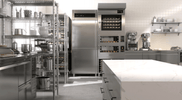
Discover expert strategies for keeping your commercial kitchen cool. Learn effective techniques to maintain a comfortable work environment and boost productivity.
Keeping your commercial kitchen at a comfy temperature is key for food safety, staff happiness, and better work. This guide will share top tips and strategies to keep your kitchen cool and running smoothly.
Key Takeaways
- Understand the importance of maintaining a cool temperature in a commercial kitchen for food safety and employee comfort.
- Learn about effective ventilation systems and how to ensure proper exhaust and airflow.
- Discover efficient air conditioning solutions tailored for commercial kitchen environments.
- Explore strategies for minimising heat generation and maximising airflow through strategic appliance placement and insulation.
- Incorporate natural cooling methods, such as cross-ventilation and shading, to supplement mechanical cooling systems.
- Prioritise regular maintenance and servicing of kitchen cooling systems to ensure optimal performance.
- Investigate energy-efficient cooling solutions to reduce operating costs and environmental impact.
Importance of Keeping a Commercial Kitchen Cool
Keeping the right temperature in a commercial kitchen is key for food safety and quality. High temperatures can make bacteria grow fast, which can ruin the food's freshness and health. Also, a comfy work space for staff is vital for productivity and satisfaction.
Impact on Food Safety and Quality
In a commercial kitchen, temperature and humidity levels affect safety and quality of food. High temperatures are perfect for harmful bacteria like Salmonella and E. coli to grow. This can be a big health risk to people eating the food. Keeping the kitchen at the right temperature helps stop these food safety issues and keeps ingredients fresh.
Enhancing Workplace Comfort and Productivity
A well-controlled temperature and humidity in a commercial kitchen is good for food safety and staff comfort. A hot, stuffy kitchen can make people tired, dehydrated, and unfocused. This can hurt the team's performance and efficiency. By focusing on occupational safety and health in Australia, employers can make a better work place. This boosts staff morale and productivity.
| Factors | Impact on Food Safety | Impact on Workplace Comfort |
|---|---|---|
| Temperature | Rapid bacterial growth compromised food quality | Fatigue, dehydration, decreased focus |
| Humidity | Increased risk of microbial contamination | Discomfort, increased perspiration |
"Maintaining the optimal temperature and humidity in a commercial kitchen is not just a matter of comfort, but a critical component of ensuring food safety and quality."
Effective Ventilation: A Crucial Component
Ventilation is key in commercial kitchens. It keeps the cooking area comfy and efficient. By knowing how exhaust systems and kitchen hoods work, kitchen staff can keep air moving well. This reduces heat and improves air quality.
Understanding Exhaust Systems and Kitchen Hoods
Exhaust systems are crucial for kitchen ventilation. They team up with kitchen hoods to remove hot air, grease, and dust. This keeps the kitchen cool and the air clean.
Proper Duct Sizing and Installation
The size and setup of exhaust ducts matter a lot. They need to match the kitchen's layout and equipment. Wrong sizes or setups can reduce airflow, making ventilation poor and using more energy.
It's best to get experts for duct installation. They make sure it works well and follows the rules.
Good ventilation makes kitchens cooler, safer, and more comfortable for staff. High-quality exhaust systems and kitchen hoods help. Proper duct sizes and installation are key for better kitchen efficiency and cleaner air.
"Effective ventilation is the foundation of a well-functioning commercial kitchen. It's not just about keeping the space cool, but also about maintaining a safe and healthy environment for our team."
Efficient Air Conditioning Systems for Commercial Kitchens
Keeping a commercial kitchen at a comfy temperature is key for food safety, worker productivity, and kitchen efficiency. It's vital to get an air conditioning system made for commercial kitchens. These systems tackle the heat and humidity challenges of these spaces.
Commercial kitchen air conditioners are built to deal with the high heat from big appliances like ovens, stovetops, and benchtop grills. They cool the air well, take out extra moisture, and move air around to keep the kitchen at a steady, comfy temperature.
When picking an air conditioning system for a commercial kitchen, think about the kitchen's size, the number of hot appliances, and how much cooling you need. Choose energy-efficient models to save on costs and be kind to the planet.
| Feature | Benefit |
|---|---|
| Powerful Cooling Capacity | Ability to handle the intense heat loads of a commercial kitchen |
| Efficient Dehumidification | Maintaining optimal humidity levels for food safety and employee comfort |
| Advanced Airflow Design | Effective circulation to prevent hot and cold spots |
| Energy-Efficient Operation | Reduced energy consumption and operating costs |
Choosing a top-notch, energy-saving air conditioning system helps commercial kitchens stay comfy, productive, and safe for food. It also cuts down on energy use and costs.
Strategic Appliance Placement and Insulation
Putting kitchen appliances in the right spot and using good insulation are key to keeping a commercial kitchen cool. By thinking about these things, business owners can help keep the kitchen a nice place to work.
Minimizing Heat Generation and Maximising Airflow
Getting appliance placement right is very important in a commercial kitchen. Keep things like stoves, commercial ovens, and fryers away from where people work and where air moves well. This helps cut down the heat in the kitchen. Also, insulating walls, ceilings, and equipment stops heat from getting in, making the cooling system work better.
To get the most out of airflow, make sure the kitchen is set up for good air movement. Arrange appliances and work areas so air can move easily. This makes the kitchen cooler and more comfortable for staff.
| Appliance Placement | Insulation Strategies |
|---|---|
|
|
By smartly placing appliances and using good insulation, commercial kitchens can reduce heat, improve airflow, and keep the work area cool and comfy.
how to keep the commercial kitchen cool
Keeping a commercial kitchen cool is key for chefs and kitchen staff. A good plan is needed to beat the heat and keep work efficient. This includes using ventilation, air conditioning, and natural cooling methods.
Good ventilation is the first step to a cool kitchen. It helps manage steam, heat, and smells. Using the right exhaust systems and air conditioning makes the kitchen comfortable and boosts productivity.
Placing appliances smartly and using insulation also helps. This reduces heat and improves airflow. Putting ovens and benchtop grills away from work areas helps keep the kitchen cooler.
- Use natural cooling like cross-ventilation and shades to lessen the need for mechanical cooling.
- Keep your kitchen's cooling systems in top shape with regular maintenance and checks.
- Look into energy-saving cooling options to stay cool while being kind to the planet and your wallet.
A mix of strategies keeps your commercial kitchen cool and productive. It also meets safety and health standards.
"Maintaining a comfortable kitchen temperature is not just about staff well-being – it's also vital for food safety and quality. A well-designed cooling system can make all the difference."
A cool, well-ventilated kitchen makes work better for your team. It also keeps food fresh and ensures a great dining experience for customers.
Incorporating Natural Cooling Methods
Commercial kitchens can use natural cooling methods to stay cool and save energy. Cross-ventilation and placing shade in the right spots are two key strategies. These methods help keep the kitchen comfortable without using a lot of energy.
Leveraging Cross-Ventilation and Shade
Cross-ventilation is a great way to keep a commercial kitchen cool. By placing windows, doors, and vents in the right spots, you can let in cool air and push out hot air. This makes the kitchen a better place to work and cuts down on the need for air conditioning.
Adding shade with awnings, trees, or trellises also helps keep the kitchen cool. These things block the sun's rays, stopping heat from getting inside. This means less cooling is needed, which saves energy.
| Natural Cooling Method | Benefits |
|---|---|
| Cross-Ventilation |
|
| Shade |
|
Using these natural cooling methods, commercial kitchens in Australia can be more comfortable and use less energy. This is good news because it means they don't have to spend a lot on cooling systems that use a lot of energy.
Maintaining and Servicing Kitchen Cooling Systems
Keeping your commercial kitchen cool is vital for food safety, comfort, and efficiency. Regular maintenance and servicing of your kitchen's cooling systems are crucial. In Australia's warm and humid climate, proactive maintenance prevents costly breakdowns and keeps your kitchen comfy and efficient.
Regular Cleaning and Inspection
To keep your kitchen's cooling systems running well, regular cleaning and inspection are a must. This includes:
- Cleaning air conditioning units and ventilation systems to remove dust, grease, or debris that can block airflow and reduce efficiency.
- Inspecting ductwork and kitchen hoods to check airflow and spot any repairs or replacements needed.
- Checking refrigerant levels and adding more as needed for the best cooling.
- Cleaning or replacing air filters often to keep indoor air quality high and systems efficient.
Regular maintenance and inspections extend your kitchen's cooling systems' life, cut energy use, and prevent costly breakdowns that can mess up your work.
"Proactive maintenance is the key to keeping your commercial kitchen cool and your operations running smoothly."
Working with a trusted air conditioning and ventilation service provider in Australia ensures your kitchen's cooling systems are in top shape. Regular services and checks can spot energy-saving changes or issues early, preventing big problems later.
Energy-Efficient Cooling Solutions
In Australia, we're all getting more aware of energy costs and the need to protect our planet. Choosing energy-efficient cooling for commercial kitchens is a smart move. It helps keep kitchens cool and saves money and the environment over time.
Exploring Sustainable and Cost-Effective Options
Evaporative cooling systems are a great way to cool spaces without using a lot of energy. They work by using evaporation to cool the air, which is cheaper and better for the planet. This method is perfect for Australia's dry climate, making it a good choice for many commercial kitchens.
Geothermal heat pumps are another option worth looking into. They use the earth's natural temperature to heat and cool, which cuts down on energy use and emissions. Although they might cost more to install, the savings and environmental benefits over time make them a wise choice for kitchen owners.
| Cooling Solution | Energy Efficiency | Sustainability | Cost-Effectiveness |
|---|---|---|---|
| Evaporative Cooling | High | Eco-friendly | Cost-effective |
| Geothermal Heat Pumps | Exceptionally High | Highly Sustainable | Long-term Cost Savings |
Looking into these energy-efficient cooling options, commercial kitchens in Australia can stay cool and safe. They'll also help the planet and might cut their energy bills over time.
Regulatory Compliance and Safety Considerations
Running a commercial kitchen means following important rules and keeping your staff safe and healthy. It's key to manage air quality and follow health and safety rules. This ensures your kitchen meets the needed standards.
In Australia, kitchens must follow the regulations from the Food Standards Australia New Zealand (FSANZ) and Work Health and Safety (WHS) laws. You need to control air pollution and dust and have strong occupational safety and health practices to protect workers.
It's vital to make sure your kitchen's cooling systems work well and are kept in good shape. This is for compliance and safety. Doing regular checks and maintenance can prevent problems like broken equipment, bad air quality, or accidents. By focusing on these steps, you make a safer place for your team and follow the regulatory rules.
FAQ
What are the key benefits of keeping a commercial kitchen cool?
Keeping a commercial kitchen cool is key for food safety and quality. It also boosts staff comfort and productivity. High temperatures can make bacteria grow fast, risking food safety. A cool kitchen keeps staff happy and does their job well.
What is the role of proper ventilation in keeping a commercial kitchen cool?
Good ventilation is vital for a cool kitchen. It means having the right exhaust systems and kitchen hoods. Also, ducts should be the right size and installed correctly. This helps move air well and cuts down heat.
What types of air conditioning systems are best suited for commercial kitchens?
For a commercial kitchen, you need an air conditioning system made for the job. These systems tackle the kitchen's heat and humidity challenges well.
How can strategic appliance placement and insulation help keep a commercial kitchen cool?
Think about where you put kitchen appliances and use insulation wisely. This reduces heat and makes cooling systems work better. It's a big help in keeping the kitchen cool.
What are some natural cooling methods that can be used in a commercial kitchen?
Natural cooling methods are good too. Use cross-ventilation and shading smartly. They're cheaper and better for the planet.
Why is regular maintenance and servicing of kitchen cooling systems important?
Looking after your kitchen's cooling systems is a must. Clean and check them often. This keeps them running well and lasting longer. It stops breakdowns and keeps the kitchen comfy and efficient.
What are some energy-efficient cooling solutions for commercial kitchens?
Choose cooling solutions that save energy. Modern HVAC systems or new cooling tech can keep your kitchen cool. They also save money and are better for the planet.
What regulatory and safety considerations should be kept in mind when implementing cooling strategies in a commercial kitchen?
When cooling your kitchen, follow the rules and think about safety. Make sure ventilation and air quality are good. Stick to health and safety guidelines to keep staff safe. Click here for more commercial kitchen tips.


