
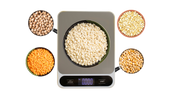
Common Conversions: Cups to Grams
Did you know a small mistake in measuring ingredients can change your baked goods or dishes a lot?
In Australia, where cooking and baking are popular, having the right tools is key. Knowing how to switch between cups and grams is a must for any recipe.

In Australia, it's important to know how to convert these units well. Commercial Kitchen Store Australia Pty Ltd helps both home cooks and professionals with great resources and advice. For any questions or help, call us at 1300 111 901 or email sales@commercialkitchenstore.com.au.
Key Takeaways
- Understand the importance of accurate measurements in cooking and baking.
- Learn how to convert between cups and grams with ease.
- Discover practical tips for precise cooking and baking.
- Explore the benefits of using a kitchen conversion chart.
- Find resources and expert advice from Commercial Kitchen Store Australia Pty Ltd.
Want a quick reference you can keep in your kitchen?
Download our Printable Cups to Grams Conversion Chart (PDF) or save the image below. It’s perfect for sticking on your fridge or recipe binder.

Understanding Measurement Systems in Cooking
In cooking, knowing different measurement systems is key. Recipes use cups or grams, and converting between them is vital for getting it right.
Volume vs. Weight Measurements
Cups measure volume, while grams measure weight. It's important to know this because the density of ingredients can change a recipe's outcome.
Why Different Countries Use Different Systems
Historical, cultural, and practical reasons lead to different measurement systems worldwide. For example, the US often uses cups, but Australia and many other countries prefer the metric system.
The Australian Metric System
Australia uses the metric system for weight, with grams and kilograms. This system is more precise for cooking and baking, avoiding the confusion of volume measurements.
| Measurement Type | Australian Metric System | US Customary System |
|---|---|---|
| Weight | Grams (g) | Ounces (oz) |
| Volume | Milliliters (ml) | Cups |
It's essential to understand these differences to accurately follow recipes. Knowing how to convert between systems helps cooks achieve the desired results.

Why Accurate Measurements Matter in Cooking and Baking
Cooking and baking are more than just following recipes. They are sciences that need precise measurements for the right taste, texture, and look. Understanding how ingredients mix together is key.
The Science Behind Precise Measurements
Getting the right measurements, like converting cups to grams for baking, is vital for consistency. This is true because different ingredients have different densities. This affects how they are measured in grams or cups.
When Precision Matters Most
Recipes like cakes, pastries, and sauces need precision. Small changes can greatly affect the final result. For example, using grams to cups conversions can change the texture and taste of dishes.
Critical Recipes Where Accuracy is Essential
Recipes that need precision include:
- Cakes and pastries
- Sauces and dressings
- Bread and yeast-based products
For business-related queries or to learn more about kitchen measurement tools, email sales@commercialkitchenstore.com.au.
| Ingredient | Cups | Grams |
|---|---|---|
| Flour | 1 cup | 120g |
| Sugar | 1 cup | 200g |

Common Conversions Between Cups and Grams Explained
Converting cups to grams is more than just math. It's about understanding the basics and how ingredients change these conversions.
Basic Conversion Principles
A cup is a volume unit, while a gram is a weight unit. Converting them isn't simple because it depends on the ingredient's density. For example, a cup of flour weighs differently than a cup of sugar.

Density and Its Impact on Conversions
Density is key when switching between volume and weight. Ingredients with higher densities have more mass in the same volume. This is why using a kitchen scale is crucial, like when measuring flour.

How Ingredient Texture Affects Measurement
Ingredient texture greatly affects measurements. Dry ingredients like flour can change weight based on how you scoop or spoon them. Sifting or aerating ingredients can also change their density, affecting conversions.
If you want to improve your baking and cooking, check out 153 Parramatta Road, Granville NSW 2142, Australia. They offer tools and insights for mastering kitchen conversions.
Standard Cup Measurements in Australia
Knowing about cup measurements is key for Australian cooks using recipes from abroad. In Australia, the standard cup is part of the metric system. This is different from the US cup measurement.
Australian Metric Cup vs. US Cup
The Australian metric cup holds 250ml, while the US cup is about 236.6ml. This difference can greatly change how recipes turn out, mainly in baking.
| Country | Cup Measurement |
|---|---|
| Australia | 250ml |
| US | 236.6ml |
Other Regional Cup Variations
Other places have their own cup sizes. For example, the UK and New Zealand also use the 250ml metric cup. Canada, on the other hand, has a slightly different measurement.
Historical Evolution of Australian Measurements
Australia started using the metric system in the 1970s. This change made its cup measurement match the metric standard. The goal was to make cooking and baking easier and more accurate.
"The adoption of the metric system has streamlined cooking measurements, making it easier for Australians to follow recipes from around the world."
For official documents, like those for business registrations (ABN: 52 682 982 387), knowing these measurement standards is very important.
Basic Conversion Chart for Common Ingredients
A basic conversion chart is a must-have for anyone who cooks or bakes at home. It makes it easy to switch between different measurement units. This ensures your recipes are spot on. For help, call 1300 111 901.
Flour Conversions
Flour is essential in baking, but it can be tricky to convert because of its different densities. Here's a simple guide for common flour types.
| Type of Flour | 1 Cup (grams) | 200g (cups) |
|---|---|---|
| All-purpose Flour | 120g | 1.67 cups |
| Bread Flour | 130g | 1.54 cups |
Sugar Conversions
Converting sugar is pretty simple. But, the type of sugar you use can change the conversion.
| Type of Sugar | 1 Cup (grams) | 200g (cups) |
|---|---|---|
| Granulated Sugar | 200g | 1 cup |
| Brown Sugar | 220g | 0.91 cups |
Liquid Ingredient Conversions
Liquids like milk and water are easy to convert.
Australian-Specific Ingredients
Some Australian ingredients, like desiccated coconut, need their own conversion charts.
| Ingredient | 1 Cup (grams) | 200g (cups) |
|---|---|---|
| Desiccated Coconut | 80g | 2.5 cups |
| Milk | 240g | 0.83 cups |
Having these charts makes cooking and baking easier. They help your dishes come out just right. Whether you're tweaking a recipe or trying something new, getting the measurements right is crucial.
Detailed Cups to Grams Conversion Tables
In cooking, getting the measurements right is crucial. Detailed conversion tables help you achieve this precision. Whether baking a cake or cooking a stew, the right amounts are key.
Dry Ingredients Conversion Table
Dry ingredients like flour, sugar, and cocoa powder are essential. Here's a table to help you measure them accurately:
| Ingredient | 1 Cup (grams) | 1/2 Cup (grams) | 1/4 Cup (grams) |
|---|---|---|---|
| All-purpose Flour | 120g | 60g | 30g |
| Granulated Sugar | 200g | 100g | 50g |
| Cocoa Powder | 100g | 50g | 25g |
Liquid Ingredients Conversion Table
Liquids such as water, milk, and oil are common in recipes. Here's how to convert cups to grams for these ingredients:
| Liquid | 1 Cup (grams) | 1/2 Cup (grams) | 1/4 Cup (grams) |
|---|---|---|---|
| Water | 240g | 120g | 60g |
| Milk | 245g | 122.5g | 61.25g |
| Cooking Oil | 220g | 110g | 55g |
Dairy Products Conversion Table
Dairy products like butter and yogurt have their own conversion rates. Here's a handy table:
| Dairy Product | 1 Cup (grams) | 1/2 Cup (grams) | 1/4 Cup (grams) |
|---|---|---|---|
| Butter | 225g | 112.5g | 56.25g |
| Yogurt | 245g | 122.5g | 61.25g |
Conversion References for Native Australian Ingredients
Australia is known for its unique ingredients like macadamia nuts and Davidson's plum. While specific conversion rates for these ingredients can vary, here are some general guidelines:
"When converting native Australian ingredients, it's essential to consider their density and moisture content. For instance, macadamia nuts are denser than many other nuts, so their gram-to-cup ratio will be higher."
For precise conversions, it's always best to consult a reliable source or a cookbook specializing in Australian cuisine.
Converting Grams to Cups for Australian Recipes
It's key to know how to change grams to cups for cooking and baking. This is crucial for Australian recipes, which might use different measurement standards.
Reverse Conversion Principles
To change grams to cups, you need to know the ingredient's density. Each ingredient has a unique density, which changes its volume-to-weight ratio.
For example, 250 grams of flour and 250 grams of sugar don't take up the same space. This is because of their different densities.
Common Australian Ingredients Conversion Guide
Australian cooks often use flour, sugar, and butter in their recipes. Here's a quick guide to convert grams to cups for these ingredients:
| Ingredient | Grams | Cups |
|---|---|---|
| Flour | 250 | 1.67 |
| Sugar | 200 | 1 |
| Butter | 225 | 1 |
Practical Examples with Popular Australian Recipes
Let's look at a famous Australian dessert, the Pavlova. A common recipe might ask for 250 grams of caster sugar. Our guide shows that 250 grams is about 1.25 cups.
For sales inquiries about kitchen gear or conversion tools, email sales@commercialkitchenstore.com.au.
Adapting International Recipes for Australian Kitchens
To cook international recipes in Australia, you need to know about measurement and ingredient differences. It's not just about changing measurements. You also have to understand the unique qualities of ingredients from around the world.
Converting American Recipes
American recipes often use cups, which can confuse Australian cooks who prefer metric. To get it right, you need a good cups to grams conversion chart.
Converting European Recipes
European recipes usually use metric measurements, making them easier for Australians. But, remember, ingredient densities can differ, so knowing these differences is key.
Substituting Ingredients When Converting Recipes
Not all ingredients from international recipes are available in Australia. You might need to swap them with local ones. For example, using Australian plain flour instead of European flour might change the amount needed because of protein content differences.
| Ingredient | American Measurement | Australian Metric Measurement |
|---|---|---|
| Flour | 1 cup | 120g |
| Sugar | 1 cup | 200g |
For all your kitchen needs, including conversion charts and measuring tools, Commercial Kitchen Store Australia Pty Ltd is here to help. Having the right tools and knowledge makes adapting international recipes much simpler.
Download our Printable Cups to Grams Conversion Chart (PDF) or save the image below. It’s perfect for sticking on your fridge or recipe binder.
Special Ingredient Conversions and Considerations
Some ingredients need extra care when changing measurements for Australian recipes. This is true for ingredients with special densities or those used in small but important amounts.
Nuts, Seeds, and Chunky Ingredients
Nuts, seeds, and chunky items like chopped chocolate or dried fruits are tricky to convert. Their different densities and how they fill measuring cups make it hard.
Herbs and Spices
Herbs and spices are used in small amounts but are key for flavor. Converting them needs to be precise. Too much or too little can change the dish a lot.
Butter and Other Fats
Butter and other fats need special thought. For example, melted butter and solid butter take up different spaces, which can affect the recipe.
Vegemite and Other Uniquely Australian Ingredients
Ingredients like Vegemite need special attention. Vegemite is a thick, black spread made from yeast extract, loved on toast or in savory dishes. To convert recipes with such ingredients, you need to know their unique traits.
In Australia, having a reliable kitchen conversions cups to grams chart is crucial, more so for special ingredients. Here's a quick guide for some of these ingredients:
| Ingredient | Cups | Grams |
|---|---|---|
| Nuts (chopped) | 1 cup | 120g |
| Dried Fruits | 1 cup | 160g |
| Vegemite | 1 tablespoon | 15g |
Knowing these conversions is essential for successfully adapting recipes, even those from other countries, to Australian kitchens.
Common Conversion Mistakes and How to Avoid Them
Getting kitchen measurements right is key for great cooking and baking. But, mistakes in converting measurements can ruin dishes. It's important to understand how to convert measurements correctly to get the best results.
Misinterpreting Recipe Origins
One big mistake is not knowing where a recipe comes from. This can lead to wrong measurements. For example, Australian cooks need to know that cup sizes differ across countries. Using the wrong cup size can change the taste and texture of your food.
Scooping vs. Spooning Techniques
How you measure ingredients matters too. When measuring dry ingredients like flour, it's better to spoon them into a measuring cup and level off. Scooping can pack the flour too tightly.
Temperature Conversions for Australian Ovens
For Australian cooks using recipes from abroad, getting the oven temperature right is crucial. Make sure your oven is set to the correct temperature, whether it's conventional or fan-forced. Our ABN is 52 68298 2387 for all official cooking and baking inquiries.
Digital Tools and Apps for Kitchen Conversions
Australian cooks can now easily convert measurements with digital tools and apps. These tools have changed how we cook. They make it easier to follow recipes from different sources.
Recommended Conversion Apps for Australian Cooks
There are many apps for Australian cooks. Some top picks are:
- Kitchen Calculator
- Conversion Master
- Unit Converter
These apps give quick and accurate conversions. They are a must-have in the kitchen. For help, call 1300 111 901.
Online Resources for Accurate Conversions
There are also many online resources for kitchen conversions. Websites like cooking conversion sites have detailed charts and calculators.
Australian-Developed Kitchen Tools and Resources
Australia has seen more digital kitchen tools made locally. These tools follow Australian measurement standards for accuracy. For example, there's the
Using these digital tools and apps, Australian cooks can improve their cooking. They ensure precision and ease in the kitchen.
Conclusion: Mastering Kitchen Conversions for Better Cooking Results
Learning kitchen conversions is key for cooking and baking success. It lets cooks adjust recipes and try new dishes with confidence.
Knowing how to convert measurements is vital. It helps with scaling recipes and substituting ingredients. This guide will help home cooks improve and get closer to professional standards.
For a better kitchen experience, check out Commercial Kitchen Store Australia Pty Ltd. They have top-notch kitchen tools. With the right gear and conversion knowledge, cooking skills can soar.
Using the tips from this guide, cooks can measure accurately and get consistent results. Mastering kitchen conversions is a skill that benefits both home cooks and professional chefs.
Frequently Asked Questions
How many grams are in 2 cups of white sugar?
2 cups of white sugar is approximately 400 grams.
What is the weight in grams of 1 cup of flour?
1 cup of all-purpose flour weighs around 120 grams.
How do I convert cups to grams for baking ingredients?
You can use a cups to grams converter or refer to the density of the ingredient you’re measuring.
How many grams are in half a cup?
Half a cup of sugar weighs around 100 grams, while half a cup of flour weighs around 60 grams.
What is the weight of 1 cup of butter?
1 cup of butter weighs around 227 grams.
How many grams are in a teaspoon?
A teaspoon typically holds about 5 grams of granulated sugar.
Why is measuring your ingredients by weight important?
Measuring ingredients by weight ensures accuracy, especially in baking where precision is crucial.
What if I need to convert from grams to cups?
You can help yourself convert by using conversion charts or calculators that factor in the ingredient's density.
What is the unit of weight for measuring ingredients?
The gram is a unit of weight commonly used in cooking to ensure accurate measurements.


