
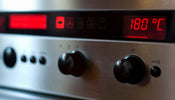
Australian cooks often face challenges when using recipes from around the world. These recipes often list temperatures in Fahrenheit. Did you know that 375 degrees Fahrenheit is a common temperature for baking?
Converting this temperature to Celsius is essential for those who need it. This article will show you a simple way to do this. It will help you get perfect results in your cooking and baking.

Whether you're a professional chef or a home cook, having the right tools and knowledge is key. For professional kitchen equipment, contact Commercial Kitchen Store Australia Pty Ltd. You can call them on 1300 111 901 or email sales@commercialkitchenstore.com.au.
Key Takeaways
- Understanding the conversion formula from Fahrenheit to Celsius.
- Learning how to apply this conversion in practical cooking scenarios.
- Discovering the importance of accurate temperature control in cooking.
- Finding resources for professional kitchen equipment.
- Contacting Commercial Kitchen Store Australia Pty Ltd for your kitchen needs.
Understanding Temperature Scales
Knowing about temperature scales is key for daily life and special fields like cooking and weather. The two main scales are Fahrenheit and Celsius. Each has its own history and use.
The History of Fahrenheit and Celsius Scales
Gabriel Fahrenheit created the Fahrenheit scale, used in many places until the 20th century. Anders Celsius introduced the Celsius scale, now the global standard, including in Australia. It's simpler and better for science.
Why Australia Uses the Celsius System
Australia chose the Celsius system for its metric system. This made it easier to compare and work with others worldwide. It's a big help in science and everyday tasks.
| Scale | Freezing Point | Boiling Point |
|---|---|---|
| Fahrenheit | 32°F | 212°F |
| Celsius | 0°C | 100°C |
Cooks, like those at Commercial Kitchen Store Australia Pty Ltd, need to know these scales. They help with recipe changes and running the kitchen.

The Basic Formula for Converting Fahrenheit to Celsius
To change Fahrenheit to Celsius, we use a simple formula. It's key for getting the right temperatures in cooking. In Australia, Celsius is the usual temperature scale. At Commercial Kitchen Store Australia Pty Ltd, our team helps with temperature conversions from 9 AM to 5 PM, Monday to Friday.
The Standard Conversion Equation Explained
The formula to convert Fahrenheit to Celsius is °C = (°F - 32) × 5/9. It comes from water's freezing and boiling points. So, 32°F is 0°C and 212°F is 100°C. This formula lets you accurately change any Fahrenheit temperature to Celsius.
Breaking Down the Formula Step by Step
First, subtract 32 from the Fahrenheit temperature. Then, multiply the result by 5/9 to find the Celsius. For instance, to convert 375°F to Celsius: °C = (375 - 32) × 5/9 = 190.56°C. This method ensures accurate temperature conversion, vital for both home cooks and chefs.
Culinary experts say, "Knowing temperature conversions is crucial for adapting recipes." This shows how important it is to learn the Fahrenheit to Celsius formula for cooking.
How to Convert 375 Degrees Fahrenheit to Celsius
To change 375 degrees Fahrenheit to Celsius, use a simple formula. This is key in cooking and baking, where temperatures are often given in Fahrenheit or Celsius.
Step-by-Step Calculation Process
The formula to switch Fahrenheit to Celsius is \(C = \frac{5}{9}(F - 32)\). Here, \(C\) is the Celsius temperature and \(F\) is the Fahrenheit temperature. To find 375°F in Celsius, plug in \(F = 375\).
Start by subtracting 32 from 375, which is 343. Then, multiply 343 by \(\frac{5}{9}\) to find the Celsius temperature.
The Exact Result: 375°F = 190.56°C
Do the math: \(C = \frac{5}{9} \times 343 = 190.56°C\). So, 375°F is exactly 190.56°C.
For quick reference, here’s a handy Oven Temperature Conversion Chart
(including 375°F):

Practical Rounding for Kitchen Use
In the kitchen, temperatures are often rounded to the nearest whole number. So, 190.56°C becomes 191°C. This rounding is fine for most cooking and baking.
| Fahrenheit (°F) | Celsius (°C) | Rounded Celsius (°C) |
|---|---|---|
| 375 | 190.56 | 191 |

Commercial Kitchen Store Australia Pty Ltd, with ABN 52 68298 2387, offers kitchen tools and resources. They help with temperature conversion and other cooking tasks.
Simplified Methods for Quick Conversion
Converting Fahrenheit to Celsius can be easy with a few mental tricks. Whether you're a chef or a home cook, quick temperature conversions help. They make cooking smoother and cut down on mistakes.
The Estimation Technique for Rough Calculations
One way to estimate Celsius from Fahrenheit is simple. Just subtract 30 from the Fahrenheit number and then divide by 2. It's not perfect but works well for many cooking temperatures.
For example, to convert 375°F to Celsius roughly, subtract 30 from 375 (345), then divide by 2 (172.5°C). The real conversion is 190.56°C, but this trick gives a good guess.

Mental Math Shortcuts for Chefs and Home Cooks
For a more accurate conversion, try this mental math trick. Subtract 32 from the Fahrenheit number, then multiply by 5/9. This method is more precise and quick with practice.
To convert 375°F to Celsius, subtract 32 from 375 (343), then multiply by 5/9 (190.56°C). With practice, this becomes second nature, letting you focus on cooking.
If you need help or have questions about temperature conversions or kitchen tips, contact us. Reach out to sales@commercialkitchenstore.com.au for expert advice.
Common Cooking Temperatures in Both Scales
Temperature control is key in cooking. Knowing common temperatures in both scales can improve your cooking. In Australian kitchens, cooks often switch between Fahrenheit and Celsius.
Standard Oven Temperatures for Australian Baking
Australian bakers mostly use Celsius. But, some recipes from America might be in Fahrenheit. It's important to know how to convert these.
| Fahrenheit | Celsius | Baking Use |
|---|---|---|
| 350°F | 175°C | Cakes, Sponges |
| 375°F | 190°C | Muffins, Casseroles |
| 400°F | 200°C | Bread, Roasts |

Meat and Food Safety Temperature Guidelines in Australia
Food safety is a top priority. Temperature is crucial to avoid foodborne illnesses. Australia has strict guidelines to keep food safe.
"Cooking food to the right temperature is crucial for food safety. For instance, poultry should be cooked to at least 74°C (165°F)." - Food Safety Australia
- Beef, Pork, Lamb: 63°C (145°F)
- Ground Meats: 71°C (160°F)
- Poultry: 74°C (165°F)
For expert advice on cooking temperatures and kitchen gear, call Commercial Kitchen Store Australia Pty Ltd on 1300 111 901.
Why 375°F is an Important Cooking Temperature
The temperature of 375°F (190°C) is key in many cooking methods. At Commercial Kitchen Store Australia Pty Ltd, we know how vital precise temperature control is. It's essential for achieving perfect culinary results.
Cooking at 375°F is a common practice for many recipes. It's perfect for baking and roasting. This temperature is great for cooking a variety of dishes, from roasted veggies to baked treats like cakes and cookies.
Common Recipes That Call for 375°F/190°C
Many recipes need the precise temperature of 375°F for the best cooking. Some common examples include:
- Roasted chicken and other poultry
- Baked goods such as cakes, cookies, and muffins
- Roasted vegetables like Brussels sprouts and sweet potatoes
- Certain types of fish and seafood
These recipes often say 375°F is the ideal temperature. It helps achieve the right texture and flavor.
The Cooking Properties at This Temperature Range
Cooking at 190°C (375°F) has many benefits. It provides a moderate to high heat. This allows for even cooking without burning the food's exterior.
This temperature is great for baking. It helps cakes and pastries rise properly and cook evenly.
At 375°F, the Maillard reaction happens well. This reaction boosts the flavor and browning of foods. It's key for developing the flavors and textures of roasted and baked goods.
Australian Cooking and Temperature Conventions
Australian kitchens use the Celsius scale, unlike American recipes that use Fahrenheit. This is important for those cooking with recipes from around the world. Knowing these differences is essential for cooking success.
Differences in Recipe Temperature Measurements
A key difference between Australian and American recipes is their temperature measurements. Australian recipes are in Celsius, while American ones are in Fahrenheit.
- Australian recipes list temperatures in Celsius.
- American recipes need to be converted to Celsius for Australian kitchens.
- It's vital to understand these differences for cooking success.
Converting American Recipes for Australian Kitchens
Changing American recipes for Australian kitchens is more than just temperature. It also involves cooking techniques and ingredient measurements.
To convert 375°F to Celsius, use this formula: °C = (°F - 32) × 5/9. So, 375°F is about 190.56°C.
Australian Cooking Terminology and Measurements
Australian cooking terms and measurements differ from American ones. Knowing these differences is crucial for following recipes correctly.
| Term | Australian Meaning | American Equivalent |
|---|---|---|
| Cooking Temperature | Celsius (°C) | Fahrenheit (°F) |
| Ingredient Measurement | Metric (grams, milliliters) | Imperial (ounces, cups) |
For more information or to see commercial kitchen equipment, contact Commercial Kitchen Store Australia Pty Ltd.
Digital Tools for Temperature Conversion
In today's digital world, changing temperatures from Fahrenheit to Celsius is easier. This is thanks to many digital tools. These tools are great for Australian chefs and home cooks. They help when converting oven temperatures for recipes.
Recommended Conversion Apps for Australian Chefs
There are many apps that help Australian chefs switch between Fahrenheit and Celsius. Some top apps include:
- Unit Converter: This app can change many units, including temperature.
- Temperature Converter: It's made just for temperature changes.
| App Name | Features | Platform |
|---|---|---|
| Unit Converter | Converts various units, including temperature | iOS, Android |
| Temperature Converter | Dedicated temperature conversion | iOS, Android |
Smart Kitchen Tools Available in Australia
Smart kitchen tools like smart ovens and thermometers are getting popular in Australia. They often have built-in temperature conversion. This makes it simpler for cooks to follow recipes right.
For more tips on digital cooking aids and smart kitchen tools, email Commercial Kitchen Store Australia Pty Ltd.
Commercial Oven Considerations for Temperature Conversion
Understanding oven temperature variations is key in commercial cooking. Commercial ovens are vital in professional kitchens. Their accuracy affects the food's quality.
Temperature Variations in Different Commercial Oven Types
Commercial ovens vary in how they cook. Convection ovens use hot air for even cooking. Conventional ovens use radiant heat. Knowing these differences helps with accurate temperature conversion.
| Oven Type | Temperature Variation | Cooking Outcome |
|---|---|---|
| Convection Oven | ±2°C | Even cooking, crispy exterior |
| Conventional Oven | ±5°C | Variable results, potential for hotspots |

Calibrating Commercial Ovens for Accurate Temperatures
Calibration is crucial for commercial ovens. It ensures they stay within the right temperature range. Regular checks help maintain consistent cooking.
"Calibration is not just about ensuring compliance; it's about guaranteeing the quality of your culinary output."
Temperature Zones and Heat Distribution
Knowing the temperature zones in ovens is important. Heat distribution differs among oven types. This knowledge helps chefs adjust their cooking methods.
For help with oven calibration and temperature conversion, contact Commercial Kitchen Store Australia Pty Ltd. They are open Monday to Friday, 9 AM to 5 PM AEST.
Common Conversion Mistakes to Avoid in Professional Kitchens
In professional kitchens, getting the temperature right is key. Small mistakes can ruin food quality and safety.
Rounding Errors and Their Impact on Commercial Cooking
Rounding errors happen when converting temperatures. For example, rounding 190.56°C to 191°C can mess up baking or precise cooking. In commercial kitchens, these mistakes can harm the kitchen's reputation.
Misinterpreting International Recipe Requirements
Another big mistake is misunderstanding international recipes. Recipes from different countries use different scales and units. Australian kitchens must be careful when converting American recipes from Fahrenheit to Celsius. Getting it right is crucial for the dish's integrity.
To dodge these mistakes, kitchens should use reliable tools and train staff well. For expert advice on improving temperature conversion, reach out to Commercial Kitchen Store Australia Pty Ltd.
Temperature Conversion Chart for Australian Kitchens
In Australian kitchens, a reliable temperature conversion chart is key for smooth cooking. Whether you're a pro chef or a home cook, knowing how to convert Fahrenheit to Celsius is vital. It helps you make the perfect dish every time.
Common Fahrenheit to Celsius Conversions for Baking
Baking is all about precision, and temperature is crucial. Here are some common conversions for Australian baking:
| Fahrenheit (°F) | Celsius (°C) | Common Use |
|---|---|---|
| 325 | 165 | Low-temperature baking |
| 350 | 175 | Cakes, cookies |
| 375 | 190 | Breads, roasts |
Specialized Cooking Technique Temperatures
Some cooking techniques need specific temperatures. Knowing these conversions can take your cooking to the next level:
| Technique | Fahrenheit (°F) | Celsius (°C) |
|---|---|---|
| Searing meat | 450-500 | 230-260 |
| Slow cooking | 275-300 | 135-150 |
Printable Reference Guide for Your Commercial Kitchen
Having a printable guide in your commercial kitchen saves time and cuts down on mistakes. Commercial Kitchen Store Australia Pty Ltd (ABN 12 345 678 901) provides tools for professional kitchens. Make sure to laminate your chart for long-lasting use.
Conclusion
Getting the temperature right in cooking is key. Knowing how to switch between Fahrenheit and Celsius is vital for great results. This article has shown how to convert 375 degrees Fahrenheit to Celsius. It also stressed the need for exact temperature control in cooking.
Converting 375°F to Celsius shows it's equal to 190.56°C. This is important in many recipes, like baking and roasting. Knowing this helps both home cooks and chefs make dishes consistently, no matter where the recipe comes from.
Having the right cooking temperature is very important. Wrong temperatures can make food taste bad or even unsafe. For big kitchens, having good temperature control tools is essential. Commercial Kitchen Store Australia Pty Ltd has a wide range of equipment to help with this.
If you need help or want to check out their kitchen solutions, contact Commercial Kitchen Store Australia Pty Ltd. They have the knowledge and products to make temperature control easy in your kitchen.
Frequently Asked Questions
What is 375°F in Celsius?
375°F is approximately 190.556°C.
How do I convert Fahrenheit to Celsius?
To convert °F to °C, use the formula: (°F - 32) × 5/9 = °C.
What is the baking temperature for a fan oven?
A typical baking temperature for a fan-assisted oven is around 160°C (320°F).
What is gas mark?
Gas mark is a scale used in gas ovens to indicate the temperature. For example, gas mark 5 corresponds to 375°F (190.556°C).
How can I use an oven temperature conversion chart?
An oven temperature conversion chart helps you easily convert between Fahrenheit, Celsius, and gas marks for different types of ovens.
What is the freezing point of water in Celsius?
The freezing point of water is 0°C.
How can I convert Celsius to Fahrenheit?
To convert Celsius to Fahrenheit, use the formula: (°C × 9/5) + 32 = °F.
What is the significance of 100°C?
100°C is the boiling point of water at sea level.
What is a fan-forced oven?
A fan-forced oven uses a fan to circulate hot air, providing even cooking temperatures.


