
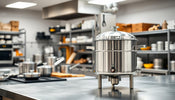
Steam Kettles for Volume Cooking: Jacket Types, Tilting Safety & BTU/Steam
In the fast world of commercial kitchens, efficiency and productivity are key. The steam kettle is a must-have for volume cooking. But is the right type being used?
For businesses wanting to improve their cooking, it's important to know about commercial kitchen equipment. This includes the various jacket types, the need for tilting safety, and the right BTU and steam sizing. At Commercial Kitchen Store Australia Pty Ltd, experts at 153 Parramatta Road, Granville NSW 2142, Australia, can help. Call them at 1300 111 901 or email sales@commercialkitchenstore.com.au.

Key Takeaways
- Understanding the different types of steam kettles available for volume cooking.
- The importance of jacket types in steam kettles for efficient cooking.
- How tilting safety features can enhance kitchen safety.
- Guidance on sizing your steam kettle correctly using BTU and steam measurements.
- Expert advice from Commercial Kitchen Store Australia Pty Ltd on optimising your commercial kitchen equipment.
Understanding Commercial Steam Kettles in Australian Kitchens
Commercial steam kettles are changing how Australian kitchens work. They mix efficiency with quality. In commercial kitchens, these kettles are key tools. They boost productivity and cooking consistency.

What Makes Steam Kettles Essential for Volume Cooking
Jacketed steam kettles are vital for high-volume cooking in Australian kitchens. They cook large amounts of food well, keeping nutrients and flavours intact. The commercial steam kettle can cook many dishes, from soups to stews. It's a must-have for kitchens that serve top-quality meals fast.
Evolution of Steam Kettles in Commercial Kitchens
The steam kettles in Australia have seen big tech and design improvements. Today's commercial cooking kettles have features like tilting and precise temperature control. These updates meet the need for efficient, reliable cooking in Australian kitchens.
Steam Kettles for Volume Cooking: Jacket Types, Tilting Safety & BTU/Steam Sizing
Kitchens that cook a lot need the right steam kettle. The kettle's efficiency, safety, and performance depend on several key parts.
The Three Critical Components of Commercial Steam Kettles
Commercial steam kettles have three main parts: jacket types, tilting mechanisms, and BTU/steam sizing. The jacket type is how the kettle heats. A full jacket heats evenly, while a 2/3 jacket or hemisphere jacket saves energy and offers flexibility.

Tilting mechanisms are key for safe pouring. Modern kettles use electric or hydraulic tilting systems. These make pouring easier and safer for kitchen staff.
How These Components Impact Cooking Performance
The mix of jacket type, tilting mechanism, and BTU/steam sizing affects cooking. A good jacket heats evenly, and the right tilting makes serving safe. Experts say, "The right BTU rating heats efficiently without wasting energy."
"The key to optimal steam kettle performance lies in balancing these components to meet the specific needs of your kitchen."
Understanding and optimising these parts can make kitchens more efficient. It also cuts down energy use and boosts safety.
Different Jacket Types for Commercial Steam Kettles
Jacketed kettles have different designs like full jacket, 2/3 jacket, and hemisphere. Each is made for specific cooking needs. The type of jacket affects how well the kettle heats up and works.

Full Jacket vs. 2/3 Jacket Designs
Full jacket kettles heat evenly all around. They're great for cooking that needs consistent heat. On the other hand, 2/3 jacket kettles are cheaper and simpler but heat less evenly.
Deciding between these depends on what you need to cook and your budget.
Hemisphere Jacket Configurations
Hemisphere jackets focus heat at the kettle's bottom. This is where most cooking needs it. It's good for saving energy and works well for some dishes that need intense heat at the bottom.
Pros and Cons of Each Jacket Type
Every jacket type has its good and bad points. Full jackets heat evenly but cost more. 2/3 jackets are cheaper but heat less evenly.
Hemisphere jackets save energy for some cooking but aren't for all dishes. Knowing these points helps pick the best commercial steam kettle for your kitchen.

Steam vs. Direct Steam Kettles: Making the Right Choice
Choosing between steam kettles and direct steam kettles is key for commercial kitchens. It affects both efficiency and cooking quality. Knowing the main differences between these commercial kitchen equipment types is vital.
Self-Contained Steam Kettles Explained
Self-contained steam kettles have their own steam generation. They don't need a separate steam boiler or complex plumbing. This makes them easy to install and move, perfect for kitchens with little space or no steam infrastructure.
Direct Steam Kettles and Their Applications
Direct steam kettles need a direct connection to a steam supply line. They're best for big commercial kitchens with a steam boiler. These kettles can produce more steam and are great for high-volume cooking where fast and consistent heating is needed.

Tilting Mechanisms and Their Impact on Kitchen Efficiency
High-volume kitchens need efficient cooking gear, like steam kettles with tilting mechanisms. The tilting feature is key for staff safety and kitchen efficiency.

Manual Tilting Systems
Manual tilting systems are a common choice for steam kettles. They need staff to tilt the kettle, which can be hard work. But, they're cheaper and simpler.
Electric and Hydraulic Tilting Options
Electric and hydraulic tilting systems are easier and safer. Electric tilting uses a button or lever, while hydraulic uses fluid pressure. Both make kitchens safer and more efficient.
Ergonomic Considerations for Kitchen Staff
Choosing the right tilting mechanism is important for staff comfort. A good mechanism reduces strain and boosts productivity. For example, electric tilting is great for busy kitchens.
| Tilting Mechanism Type | Effort Required | Safety Features |
|---|---|---|
| Manual | High | Basic safety features |
| Electric | Low | Advanced safety features, including automatic shut-off |
| Hydraulic | Low | Advanced safety features, including pressure relief systems |
Thinking about the tilting mechanism's impact on kitchen efficiency is crucial. Commercial kitchens can choose better by considering this. It boosts productivity and follows tilting steam kettle safety tips, making the kitchen safer.
Safety Features in Modern Steam Kettles
Safety is key in commercial cooking. Modern steam kettles have many safety features to keep kitchens safe.
These kettles come with advanced safety features. They have pressure relief systems, anti-jam tilting, and temperature control systems.
Pressure Relief Systems
Pressure relief systems are vital. They release extra pressure to stop explosions. These systems work automatically but need regular checks.
Anti-Jam Tilting Mechanisms
Anti-jam tilting stops the kettle from getting stuck. This reduces accidents and injuries in busy kitchens. It's crucial for safety and efficiency.
Temperature Control Safety Features
Temperature control keeps the kettle safe. It stops overheating and ensures it works within safe temperatures. Automatic shut-off and monitoring systems protect everyone.
| Safety Feature | Description | Benefit |
|---|---|---|
| Pressure Relief Systems | Automatic release of excess pressure | Prevents explosions |
| Anti-Jam Tilting Mechanisms | Prevents kettle from getting stuck while tilting | Reduces risk of accidents |
| Temperature Control | Automatic shut-off and temperature monitoring | Prevents overheating |
A leading kitchen safety expert says, "Buying kitchen gear with strong safety features is vital. It stops accidents and keeps the workplace safe."
Understanding BTU Ratings and Steam Sizing
To get the best out of your kitchen gear, you need to know about BTU ratings and steam sizing. BTU ratings show how much energy a steam kettle needs to heat up. Steam sizing is about how much steam you need for your cooking.
Getting the right BTU ratings and steam sizing is key for cooking well and saving energy. A steam kettle that's too small might not keep up, while one that's too big wastes energy and costs more to run.
How to Calculate BTU Requirements for Your Kitchen
To figure out BTU needs, think about how much food you cook and the temperature you want. A common rule is 1000 BTUs for every 10 liters of cooking space. But, this can change based on things like insulation and how often you use it.
Matching Steam Kettle Size to Production Needs
Choosing the right size steam kettle is crucial for efficiency. Think about your busiest cooking times and what you usually make. A kettle that's just right lets you cook what you need without using too much energy.
Australian Energy Rating Considerations
In Australia, saving energy is important. Look for steam kettles with high energy ratings. They use less energy but still work well. This helps the planet and saves you money on bills.
| Energy Rating | Annual Energy Consumption | Estimated Annual Cost |
|---|---|---|
| 5 Stars | 1200 kWh | $180 |
| 4 Stars | 1500 kWh | $225 |
| 3 Stars | 1800 kWh | $270 |
Energy Efficiency and Sustainability Factors
Australian commercial kitchens are now focusing on sustainability. They're looking for energy-efficient steam kettles. This shift is driven by the need to reduce environmental impact.
Water Conservation Features
Today's steam kettles have water conservation features. These features cut down water use. They're good for the planet and can also lower water bills.
Energy-Efficient Models Available in Australia
Australia has a variety of energy-efficient models of steam kettles. These models use less energy but still perform well. It shows manufacturers care about the environment.
Return on Investment Calculations
Buying energy-efficient steam kettles can save money in the long run. Doing return on investment calculations shows the financial gains. It helps kitchen owners see the benefits.
Choosing energy-efficient steam kettles helps Australian kitchens go green. It also boosts their profits.
Installation Requirements for Commercial Steam Kettles
To get the most out of a commercial steam kettle, proper installation is key. You need to think about plumbing, electrical, and ventilation needs.
Plumbing Considerations
Good plumbing is essential for a commercial steam kettle's safety and efficiency. You must have the right water supply lines and drainage. Also, make sure it meets local plumbing codes. In Australia, following the AS/NZS 3500 standards is crucial.
Electrical Requirements
Commercial steam kettles have specific electrical needs. You need to check the voltage, amperage, and connection type. Always follow the manufacturer's instructions and stick to Australian electrical standards, like AS/NZS 3000.
Ventilation Needs and Australian Building Codes
Good ventilation is important to remove steam and heat from commercial steam kettles. You need to install the right exhaust systems. Also, make sure it meets Australian building codes, including the Building Code of Australia (BCA) for commercial kitchens.
By focusing on these installation needs, businesses can make sure their commercial steam kettles work well. They will be safe and meet Australian standards.
Maintenance Best Practices for Steam Kettles
Keeping your steam kettle in good shape is key for safety and efficiency in commercial kitchens. Regular upkeep extends the life of your equipment and keeps it running smoothly.
Daily Cleaning Procedures
Cleaning your kettle every day stops food residue and bacteria from building up. Use a mild detergent and warm water to clean inside and out. Make sure to rinse and dry all parts well.
Weekly and Monthly Maintenance Tasks
Every week, check for wear and tear like loose handles or damaged seals. Monthly, do a deeper clean by descaling the kettle to remove mineral deposits. This keeps your kettle efficient and prevents damage.
Professional Service Schedules
While daily and monthly tasks are important, getting professional maintenance twice a year is a must. Experts can spot issues early, keeping your kettle in perfect condition.
By sticking to these maintenance tips, your steam kettle will work safely and efficiently. It will give you consistent performance for your kitchen's needs.
Top Steam Kettle Models Available in Australia
Australia's commercial kitchens have many top steam kettle models to choose from. This variety makes picking the right one tricky. But, it also means there's a perfect match for every kitchen.
Leading Brands in the Australian Market
Several famous brands lead the Australian steam kettle market. These include:
- Electrolux: Known for their durability and performance.
- Convotherm: Offers advanced cooking technology.
- Alto-Shaam: Provides high-quality, reliable steam kettles.
These brands are known for innovation and reliability. They are top picks for commercial kitchens.
Price Ranges and Value Considerations
Steam kettle prices in Australia vary a lot. This depends on capacity, features, and brand. Here's a quick look at what you can expect:
- Basic models: Starting from around $2,000.
- Mid-range models with extra features: $3,000 to $6,000.
- High-end models with advanced features: $8,000 and above.
When looking at prices, think about the value the steam kettle adds to your kitchen.
Where to Purchase Quality Steam Kettles in Australia
You can find quality steam kettles in Australia through different ways:
- Specialised kitchen equipment suppliers: They have a wide range and can give expert advice.
- Online marketplaces: Buy steam kettles online in Australia on sites like Amazon Australia or eBay Australia. Just make sure to check seller ratings.
- Directly from manufacturers: Some brands sell their commercial steam kettles in Australia directly through their websites or local distributors.
When buying, think about warranty, after-sales service, and compatibility with your existing kitchen setup.
Conclusion: Investing in the Right Steam Kettle for Your Commercial Kitchen
Choosing the right steam kettle is key for commercial kitchens in Australia. It affects cooking speed, safety, and kitchen work. Knowing about different types and sizes helps make the best choice.
Steam kettles bring many benefits, like quicker cooking and lower costs. It's important to think about energy use, upkeep, and meeting Australian standards when picking one.
Top brands in Australia offer a variety of steam kettles for different kitchens. The right one can make cooking better, save money, and boost kitchen performance.
Frequently Asked Questions about Steam Kettles
What are steam kettles and how do they work?
Steam kettles, also called steam-jacketed kettles, are large cooking vessels with a double-walled jacket that circulates steam to heat contents evenly. Steam enters the jacket, transfers heat through the kettle wall, and condensates; condensate is removed via a steam trap.
What is the difference between tilting and stationary steam kettles?
Tilting steam kettles have a hinge or mechanical tilt mechanism to pour contents easily, ideal for heavy batches. Stationary kettles remain fixed and rely on pumps or scoops for discharge, often used where automated transfer is preferred.
What capacities do steam kettles come in?
Steam kettles range from small countertop models (10–30 liters) to large floor-mounted kettles holding several hundred gallons. Choose capacity based on batch size and production throughput.
What are common construction and sanitary features to look for?
Look for stainless steel 304 or 316 construction, polished interior finishes, welded sanitary seams, easy-to-remove lids, and CIP (clean-in-place) compatibility for food safety and corrosion resistance.
How is steam pressure regulated in these kettles?
Steam pressure is controlled using a pressure regulator and valves. A pressure gauge, safety relief valve, and vacuum breaker are typical accessories. Proper control ensures uniform heating and prevents scalding or product burns.
What is a steam trap and why is it important?
A steam trap removes condensate and non-condensable gases from the jacket while preventing steam loss. It maintains efficient heat transfer and protects the kettle jacket from waterlogging.
Can steam kettles be used with agitators or mixers?
Yes. Many steam kettles are offered with built-in agitators, slow-speed paddles, or high-shear mixers for uniform cooking, preventing scorching and ensuring consistent texture for sauces, soups, and fillings.
Are there specific codes or certifications to consider?
For pressure vessels and food equipment, check ASME codes, local pressure vessel regulations, and food safety standards. Look for manufacturer documentation and certification for commercial use.
What maintenance is required for long service life?
Regularly inspect and service steam traps, gaskets, safety valves, and steam control valves. Flush and descale the jacket if hard water is present, and replace worn PTFE or silicone gaskets to prevent leaks.
Can steam kettles be used for both cooking and pasteurisation?
Yes. With precise temperature control and agitation, steam kettles are suitable for cooking, sterilisation, and pasteurisation processes in food production when validated to required parameters.


