
Industries · Butcher & Meat Processing
Butcher Equipment
Commercial butcher equipment for the whole shop — meat processing machinery, sausage-making and packaging gear, display refrigeration and cold storage, curated for Australian butchers and meat retailers. Whether you're opening a new butchery, refurbishing a shopfront or adding value-added lines, this range pulls the processing room and the retail floor into one place, so you can spec the whole operation together instead of hunting single machines across category pages. It sits alongside our other industry equipment ranges; for the broader categories on their own, browse food preparation and commercial refrigeration.
Shop Butcher Equipment by Category

Mincers
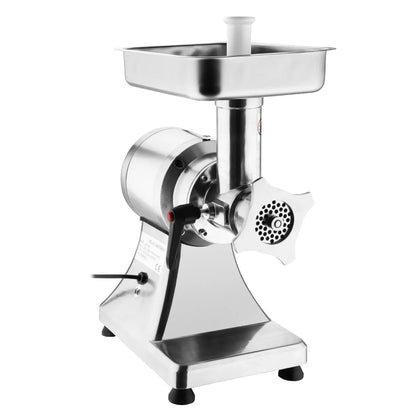
Shop the mincers range →
Slicers
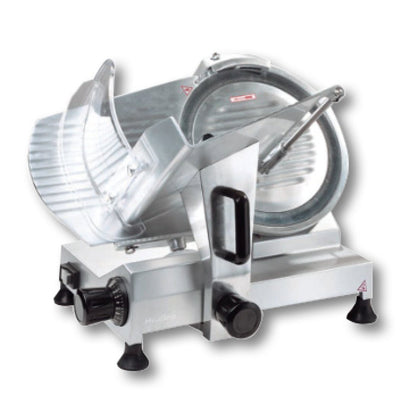
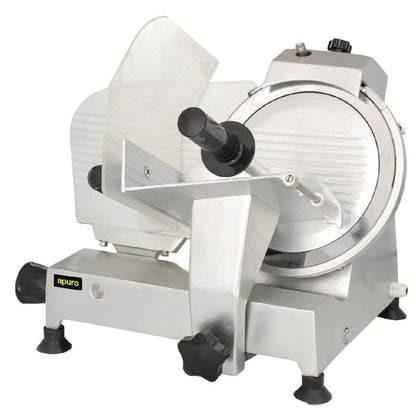
Shop the slicers range →
Bandsaws
Shop the bandsaws range →
Vacuum sealers
Shop the vacuum sealers range →
Meat display
Shop the meat display range →
Butcher equipment
Shop the butcher equipment range →Who this butcher equipment range is for
A butchery lives on throughput: meat arrives as carcasses or primals, gets broken, minced, sliced, filled and packed, and has to sell from the display while it's at its best. This range suits retail butcher shops fitting out a new site, continental and gourmet butchers making sausages, salami and cured smallgoods in-house, supermarket meat departments (the supermarket equipment range covers the rest of that floor), and wholesale processors packing for food-service accounts. Farm-gate and paddock-to-plate producers setting up a boning room fit here too. If your operation leans towards cooked service — a burger kitchen mincing its own patties — the burger and QSR equipment range covers that trade; start here when the meat itself is the product.
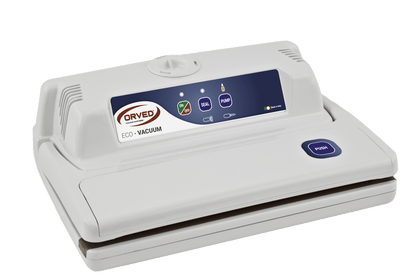

Yasaki
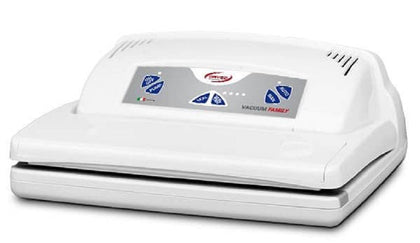
Yasaki Commercial Benchtop Vacuum Packing Machine ZJ-VM400B2560(W) x 500(D) x 460(H)mm
$2,124.15 +GST$2,499.00
What a butcher shop fit-out covers
Zone by zone — every line links to the matching range so you can build your kit as you read.
Meat processing machinery
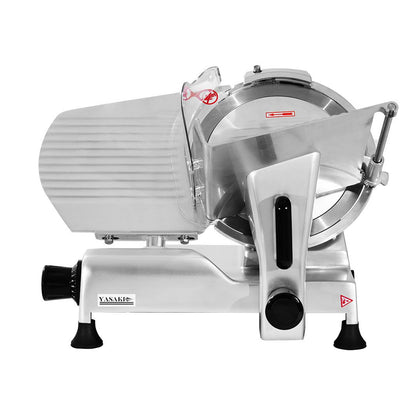
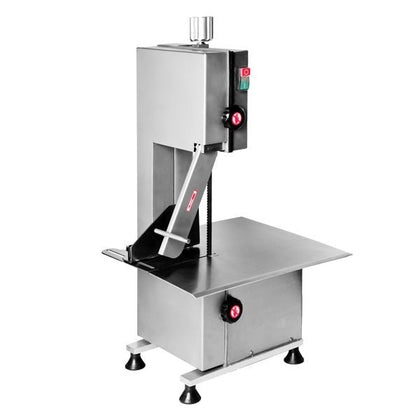
The processing room sets the pace for everything else, so this is where butcher machinery earns its keep. Meat mincers turn trim into fresh mince and sausage blends on demand, a heavy duty bone saw breaks primals into chops, osso buco and soup bones in seconds, and meat slicers handle bacon, corned cuts and deli lines at a consistent thickness. The deli and butcher equipment collection keeps this meat processing equipment together in one place. Across all of it, look for motors rated for constant daily loads, stainless steel or food-grade aluminium contact surfaces, guarding that doesn't fight the operator, and blades and plates you can strip, clean and sharpen without tools.
Sausage making, value-adding and packaging
Value-added lines are where a modern butchery builds margin, and they run on a short list of gear. Sausage fillers — manual for small batches, larger hopper capacities for production days — put house-made sausages in the cabinet; a meat mixer blends seasoning evenly through a batch before filling; a patty press turns mince into uniform burgers for the weekend barbecue trade. For salami, biltong and other cured lines, packaging matters as much as the recipe: chamber vacuum sealers pack retail portions, extend shelf life and keep marinated ready-to-cook products looking sharp in the display. Different types of operation weight this zone differently.
Meat display and refrigeration
The counter is the shop's best salesperson. A butcher display fridge needs to hold trays of red meat at temperature under long trading hours while presenting cuts at eye level — that's the job of the deli display fridges range, in flat-glass and curved-glass service formats. A dry age fridge adds theatre and a premium shelf, with whole cuts ageing in view of the counter. Plan display metres around your weekend peak, and ensure the case you choose has enough refrigerated depth for full gastronorm trays rather than a thin retail shelf.
Cold storage and freezers
Behind the counter, cold storage capacity decides how well you can buy. Upright and chest formats in the commercial freezers range cover the classic butchers freezer jobs — bulk boxed stock, manufacturing trim and holding value-added lines — while storage fridges carry the week's carcass and primal supply at a steady chill. Buy the freezer for your delivery cycle: a shop taking one bulk delivery a week needs meaningfully more litres than one on daily supplier runs.
Benches, sinks and hand tools
Stainless steel benches are the backbone of the boning room — sturdy, corrosion-resistant 304-grade stainless steel built to last through years of cut-and-wipe-down cycles — and commercial stainless steel sinks handle wash-up and hand-wash compliance. Around them sit the butcher supplies that finish the room: boning knives and steels, chopping boards, hooks and rails for hanging stock, scale labelling and tubs.
How to plan a butcher shop fit-out in three steps
1
Map your range to stations
List what you'll actually sell — fresh cuts, mince and sausages, value-added ready-to-cook, cured smallgoods — then group it into stations: breaking, mincing and filling, packing, display. Every station needs bench space, power and a clear path from coolroom to counter. If a product line doesn't justify its own station, trim the range before you buy the machinery.
2
Size machinery and display to peak throughput
Work from your biggest production day, not the weekly average: the kilograms of mince you sell on a Saturday morning set the mincer capacity, sausage volumes set the filler size, and the weekend counter sets your display metres. Do the same for cold storage — delivery frequency and carton sizes set fridge and freezer litres. Under-speccing peak throughput is the most common and most expensive fit-out mistake — productivity on a production day is set by the slowest machine in the line.
3
Confirm power, water and floor space before you order
Larger mincers, saws and mixers commonly run higher-powered motors that need their own circuit, and some production machinery is available in single-phase or three-phase versions — check the product page for each model's exact electrical requirements and have your electrician confirm the site. Sinks and wash-down areas need water and drainage runs, and display cases need clear service access behind the counter.
Butcher Equipment FAQs
What equipment does a butcher shop need?+
A typical Australian butcher shop opens with: a mincer, a bone saw, a slicer, a sausage filler, vacuum packaging, a service display fridge for the counter, storage fridges and a freezer sized to the delivery cycle, stainless steel benches and sinks, plus knives, steels, boards and scales. Value-added and cured lines add mixers, presses and dry-ageing capacity from there. Map your product range to stations first and let that set the list.
How much does it cost to fit out a butcher shop?+
It depends on the size of the site, the production range and how much of the equipment is new — the display case, refrigeration and processing machinery are usually the biggest lines in the budget. The practical approach is to price your station list rather than a generic package: spec each station from this range, then decide where premium machinery earns its keep and where a workhorse unit does the same job for less.
What size meat mincer does a butcher shop need?+
Size the mincer to your biggest production run, not the daily average — the kilograms of mince and sausage blend you push through on your busiest morning. Small benchtop units suit low-volume or farm-gate operations; busy retail shops generally step up to larger, higher-throughput models with heavier motors. Check each product page for throughput and motor ratings.
What's the best display fridge for a butcher shop?+
For serve-over meat retail, a service deli display with gastronorm-depth refrigerated trays is the standard: it holds red meat at temperature across long trading days and presents it at eye level. Curved glass maximises the view; flat glass maximises usable tray space. If cured or dry-aged product is part of the offer, a dedicated dry-ageing cabinet is worth its floor space in margin.
What freezer suits a butchery?+
Most shops run both formats: a chest freezer for bulk boxed stock and manufacturing trim, and an upright for organised, rotated retail lines. Size total freezer litres to your delivery cycle — one bulk delivery a week needs far more capacity than daily runs — and favour solid-door units for temperature stability in a warm back room.
Is second-hand butcher equipment worth buying?+
Second-hand butcher machinery can save upfront cost, but it usually arrives without warranty, with unknown service history, and with the motor, bearings and compressor — the parts that stop production — closest to end of life. Everything in this range is new commercial-grade equipment with manufacturer warranty; see our warranty and service information for cover details.
Can I finance butcher equipment instead of buying it outright?+
Yes — SilverChef Rent-Try-Buy equipment financing is available on eligible items, with weekly payments that keep cash flow free for stock and wages while the shop establishes itself. Eligibility shows on each product page, and our team can talk through the options on 1300 111 901.
Do you deliver commercial butcher equipment across Australia?+
Yes. Commercial Kitchen Store is an Australian commercial butcher equipment supplier serving the meat trade nationwide — benchtop machines ship on standard freight and heavier processing machinery on palletised delivery, with free pickup from our Granville showroom in Sydney if you're local. Australian-based phone support is on 1300 111 901 if you'd like help speccing a full fit-out list against your range and floor plan.
Butcher equipment finance and pricing
A butchery fit-out is capital-heavy at exactly the moment cash flow is tightest, which is why many operators finance the machinery rather than buy outright. SilverChef Rent-Try-Buy is available on eligible equipment — a flexible weekly-payment option that gets the processing room working without the full upfront spend (eligibility shows on each product page). The range spans high-quality workhorse machinery through to premium European gear at competitive prices, so you can spend where the shop is judged — the display and the mince — and save on the back-room workhorses.
Running a slicer every day? Our commercial meat slicer guide covers safe operation, cleaning and hygiene habits that extend the life of the blade.
Popular picks: the Matador Heavy Duty Bone Saw HLS1650 handles daily primal breaking on a proper butcher's bandsaw frame, and the Tre Spade 7L Manual Sausage Filler SFT0008 puts house-made sausages in the cabinet from a compact bench footprint.
Why buy from Commercial Kitchen Store
Free kerbside delivery
To metro SYD, MEL, BNE & ADL on eligible items only — plus free pickup at our Granville showroom.
Finance available
Spread the cost of your fit-out with SilverChef Rent-Try-Buy weekly payments.
Reviews & support
Genuine customer reviews on our product pages, plus warranty and service support after the sale.
Fitting out more than one space?
See all industries, or get a tailored fit-out quote from our team.